
This Year, I'm Planning Backwards
I feel a bit like Phil Connors in Groundhog Day when I write, “Happy New Year… Again.” And I’m suspiciously eyeing my blank 2026 calendar months, doubting they will indeed be anything different.
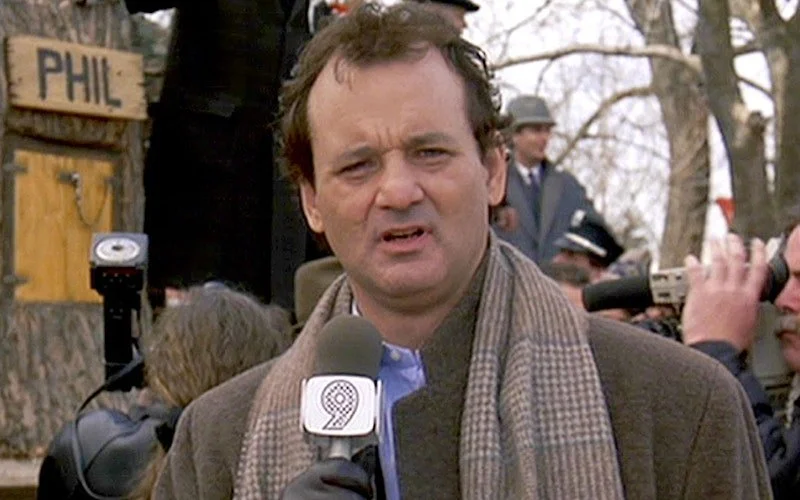
But the New Year’s Clean Slate is a magical thing, because, while my life-to-date isn’t literally wiped clean on January 1st, the Clean Slate can always be real if I want it to be. The start of a year is just an excuse to regroup and try again (even if an average Tuesday in April is just as valid a time to pause and reset, to be clear).
Believing in the Clean Slate means I believe I can change. And if I believe I can change, then all kinds of things are possible: like maybe I could actually finish polishing the whack-a-mole of my ever-growing portfolio of screenplays this year, or finally revise and submit that essay about falling out of love with piano I drafted two years ago, or finally get in shape enough to run a half-marathon, or, wildest dream of all, regularly write blog posts.
Maybe this is what New Year’s is really about for me: the annual, spiritual reminder to self that I do in fact believe I can change. That I can be better. That’s pretty big, if you think about it.
However, I’ve now been through enough New Year’s Days to know that it’s not really about the goals and resolutions I write down, so I didn’t write any this year.* Instead, I’ve been noticing my mindset. We are what we pay attention to, and I spent a lot of my blurry unstructured days over the holidays fixated on how much I did not do last year. Now one year since the last New Year’s Day, I still have the same scripts unfinished, the same memoir chapters unwritten, the same writing practice unestablished.
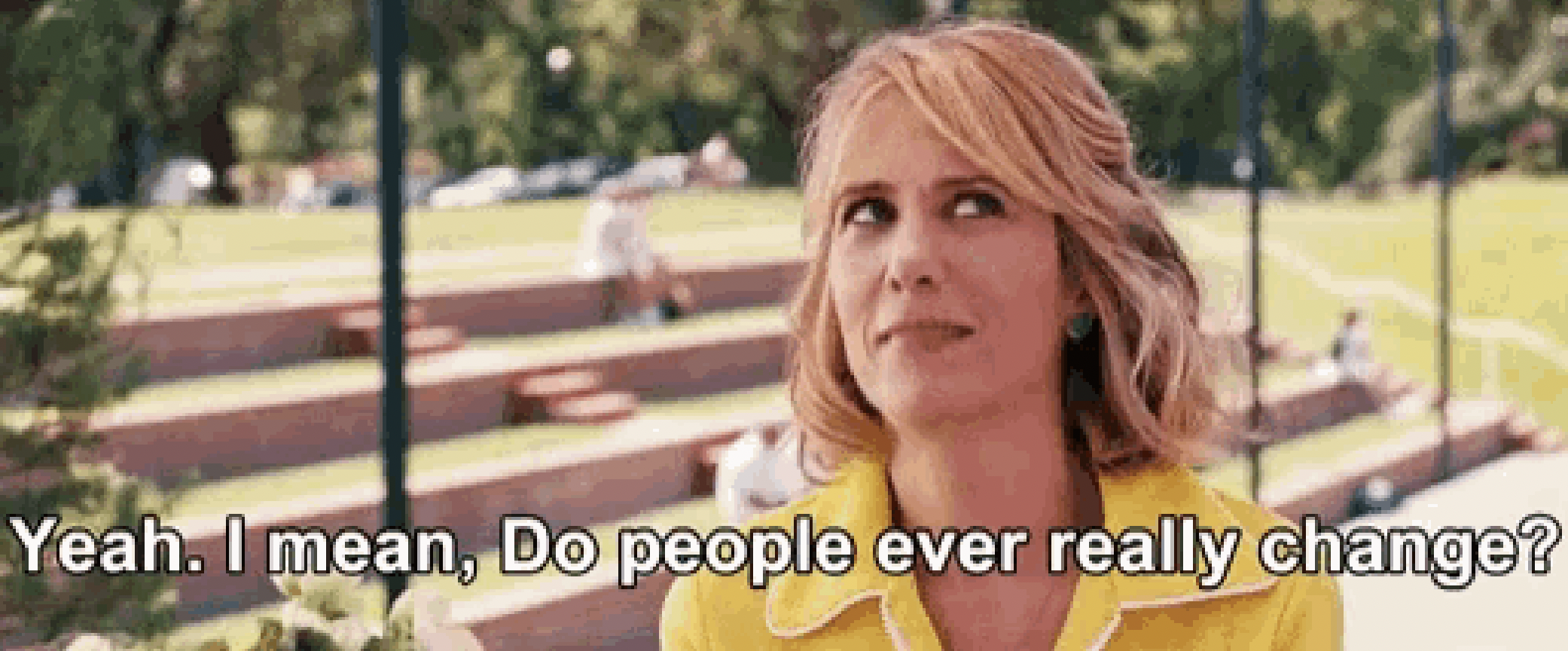
While I am logically aware that I can attribute a lot of these un-things to the un-expected caretaking journey I took for my mom’s stroke, and I am logically aware that I did in fact accomplish a lot of things last year, I’ve still been fixated on my shortcomings:
Why can’t I just write a little every day?
Why can’t I just sit down and get this outline done?
What on earth is blocking me from even opening this essay on my computer?
The answer to these questions is the same reason I’m pestering myself with those questions in the first place: I’m getting in my own way.
I’m finally accepting that being a Type-A Perfectionist is kind of, like, a problem for being creative. Being creative requires writing stuff that sounds dumb, crafting outlines that turn out to be terrible, trying ideas that feel all wrong. It’s so messy. It’s so humbling. It’s so hard. And facing every blank page with the expectation that I have to perform brilliantly across it is just not conducive to what needs to happen in that space. It’s like tying on ballerina pointe shoes for a bar fight instead of just throwing a punch.
To Do or Not To Do?
Which brings me to To Do lists, the ballerina pointe shoes of my creative process (which I apparently view as a bar fight). I have always brought a lot of care to my To Do lists. And in return, my To Do lists are killing me.
It goes like this: on a Sunday evening I typically map out my week, writing To Do’s down on Monday, Tuesday, Wednesday, Thursday and Friday of my planner so that everything will be tidy with checkmarks before the weekend. It sounds nice. Draft an entire script on Tuesday? No problem. Review 10 essays on Thursday? Easy. Write a feature outline on Friday? Let’s do it.
…
Yeah.
100% of the time (One! Hun! Dred! Per! Cent!), the To-Do lists I write are completely unrealistic. I never get through the things I set for myself to accomplish on Monday, which means I’m still working on them on Tuesday, and by Wednesday I’m realizing something with an urgent deadline needs to be addressed because it’s already late, and now I’ve abandoned the Monday and Tuesday goals altogether. By Thursday I’m thinking, “Well, I have the weekend to catch up,” and by the weekend I’m getting buried in the leftover work (which is most of the work) while trying to juggle time for family and friends and all the movies I want to see, thinking, “Well, on Monday I’ll be able to get all this organized,” only to most likely have a full systems breakdown (yes, tears) before making a new To Do list on Sunday night that brings me 5 minutes of blissful calm like some common psychopath before the cycle repeats.
This cycle means I am consistently paying attention to:
How much I have to do
How much I have not done
How much I am behind on
Which makes me feel:
Unaccomplished
Not good enough
Hopeless
Why have I been writing these To Do lists even though literally nothing good is coming from them? Because I can control them! I’m a perfectionist. We love to control. To Do lists are very controllable, and they can also look very impressive. I can create an A+ To Do list with little effort. To Do lists are also a great tool for procrastinating the uncomfortable mess of the work I’m not eager to dive into (those dumb words, those terrible outlines—who among us wants such regular confirmation that we are merely human? Not I!).
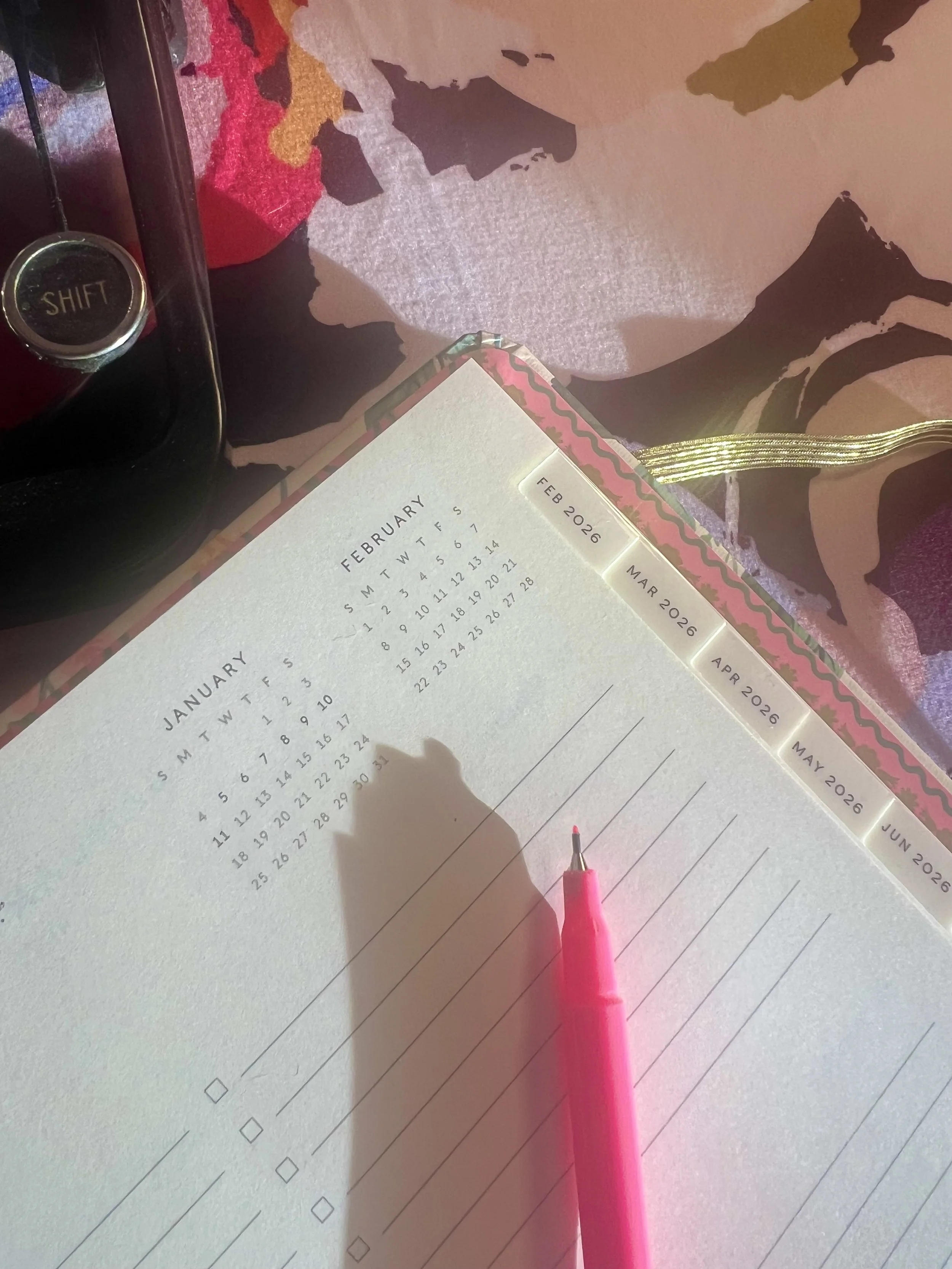
The thing is, I don’t need these lists. I know perfectly well what I need to do. I’ve written down New Year’s resolutions so many times that I can feel them in my bones more than I need to see them written out in the English language in a black Pilot Precise V7 Premium Rolling Ball pen on lightly lined paper. (But, mmm, that’s tempting…)
So, in 2026 (oh no, does this sound like a resolution?) I’m ditching the To Do list in favor of the Done list. I do what I can do each day, then write down what I did at the end of the day (or maybe the next morning, because I’ve discovered I have little interest in writing lists at the end of the day).
This means the tasks on my list are realistic. Because I already did them. In reality. For example: drafting three pages of a pitch deck instead of finishing a whole deck, revising a premise document for an episode instead of turning it into an outline, finding the lost buried treasure that is the most recent essay file on my disorganized computer and putting it on my desktop where I can easily access it tomorrow instead of getting the whole essay revised.
The baby steps become accomplishments to celebrate. My progress becomes visible. My motivation to do any small thing that I can write down as a reward (can’t take the Type A out of me) has skyrocketed. I.e.: Viewing my work as productive (and not as a desperate grasping at a million puzzle pieces I cannot put together in time) is making me actually be more productive. I’m not wasting time on the pointe shoes because I’m eager to throw the punches. (I’ll stop this metaphor now.)
I am now consistently paying attention to:
How much I’ve accomplished
How much progress I’ve made
How quickly small steps add up
This makes me feel:
Accomplished
Capable
Excited
This might work for you. It might not. Maybe you’re coming into your own Almighty To Do List Era, which I would never want to mess with. But I hope that for whatever changes you’re intending to unlock this year, you can first figure out where it is that you’re keeping the keys.
*Okay, false, I do have two resolutions, and I’m writing them here: 1. read more prose – a doable minimum of 15 pages a day – and 2. no buying of new books because I have plenty to catch up on from my shelves.
Here’s more Groundhog Day to brighten your day.
I think about this dialogue from Bridesmaids a lot.
In Allison K Williams’s latest on the Brevity Blog, “There is No Closure: Stop Organizing and Start Writing” she writes: “Closure is the bane of every writer’s existence.“ Yep.